Friday, July 11, 2014

Early Summer Wildflowers from Wildflower Hill


DSCN1382
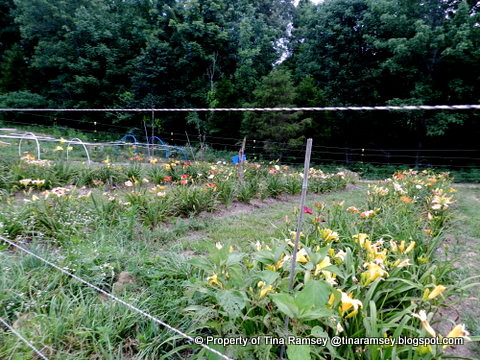
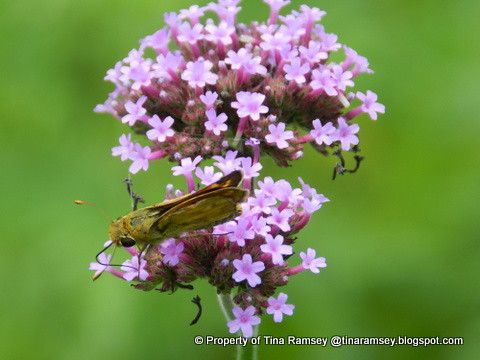
Wildflowers are in full bloom out on Wildflower Hill so I thought I would share some with you all today. Verbena bonariensis (aka jumping verbena) never fails to bring in the butterflies and pollinators.
DSCN1411
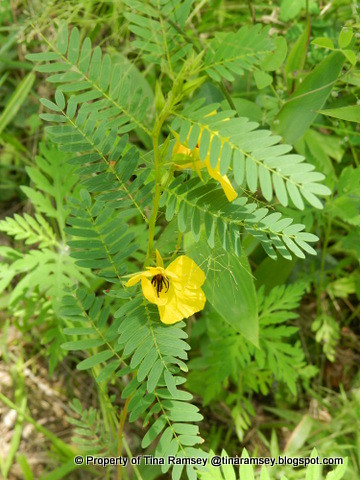
Partridge pea (Cassia fasciculata) is a great native wildflower that is also a super wildlife and pollinator attractor. This partridge pea was a part of the wildflower seed I set out when I frost seeded in the early spring.  I am most happy to see some of the seed took well!
shaggy rosinweed
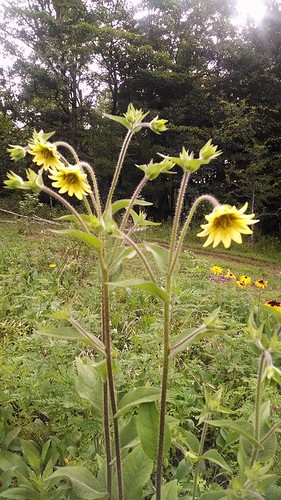
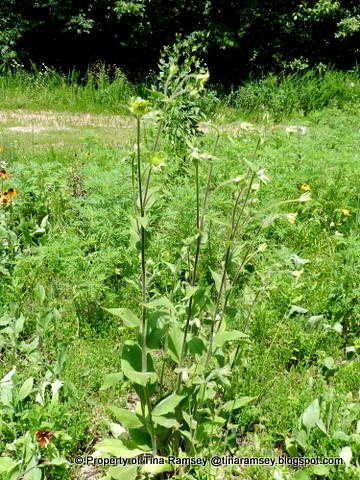
Shaggy rosinweed (Silphium Mohrii) is one of my new favorite wildflowers. I actually purchased this as a plant from a local native plant nursery. Since moving it out to the property it has really stood tall and proud. The flowers are a sweet pale yellow that hold up to all sorts of summer heat and drought.
DSCN1379
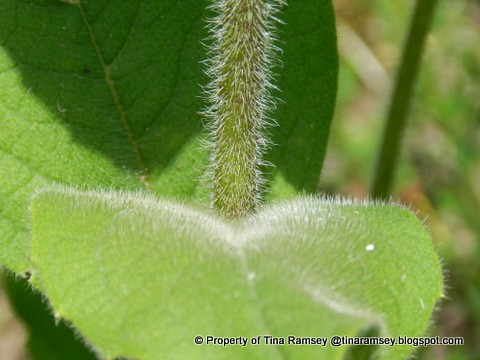
Shaggy rosinweed might be known for its 'shaggy' appearance as evidenced here by the close of the hairs all along the stem and leaves. These hairs really help the plant to stand out and to stand up to the sun's heat.
DSCN1378
Here is a long shot of the shaggy rosinweed in situ in the wildflower field.
DSCN1425
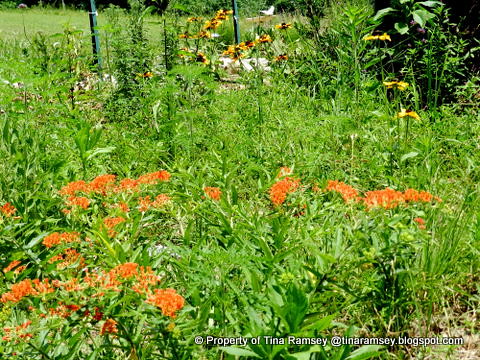
This native butterfly weed (Asclepias tuberosa) took a big hit due to the backhoe coming and in and digging up the area in which the butterfly weed grows. I was most thankful to see it at least bounce back a bit.
DSCN1421
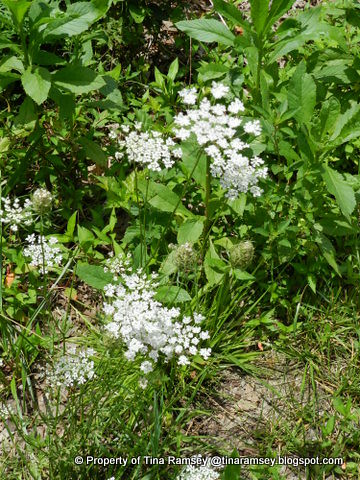
Queen Anne's lace (Daucus carota) is not a native wildflower but one that has happily naturalized all across Wildflower Hill. It is a cheery and very prolific wildflower.
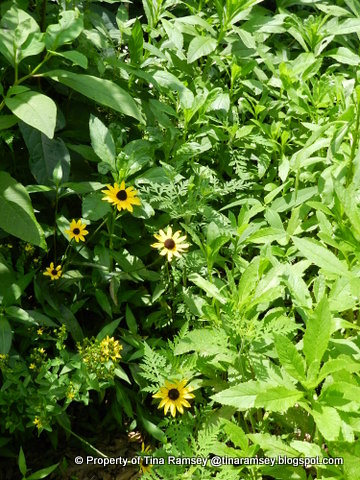
DSCN1420
Brown eyed Susan's grow wild on Wildflower Hill with no help whatsoever from me.
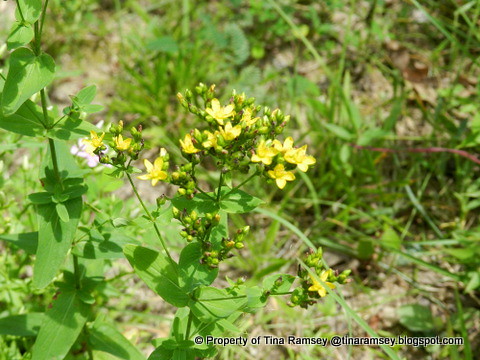
DSCN1410
This sweet little wildflower is about 18-24" tall and I cannot identify it. Does anyone know what it could be?
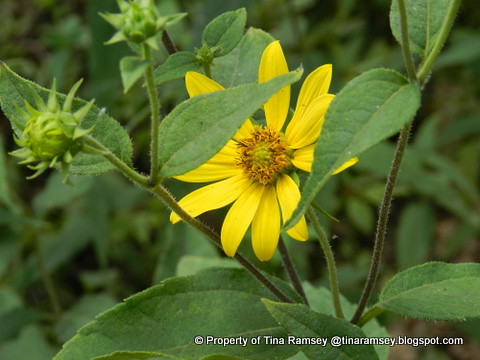
DSCN1400
Woodland sunflower. These grow in abundance!
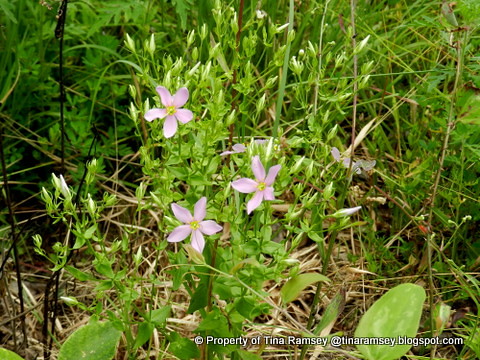
DSCN1403


Finally we close with Rose Gentian, aka Sabatia angularis....

in the garden....on Wildflower Hill.

Growing conditions for all of these wildflowers are acidic soil (pH of 5.4), full to part sun, clay to rocky soil, dry to mesic habitat on sloping land. You might notice all of these pictures have lots of other 'plants' in them-mainly the areas look weedy. Wildflower areas are, by their nature, weedy. We are maintaining our wildflower areas by bushhogging once per year. This is the only Year 1 for wildflowers so as the years progress, we shall see how the areas improve or devolve.

Words and Photos Property of In the Garden Blog Team, In the Garden

Wednesday, July 2, 2014

'White Diamond' Hydrangea Paniculata: A Finely Cut 'Diamond' For Sure


DSCN1331
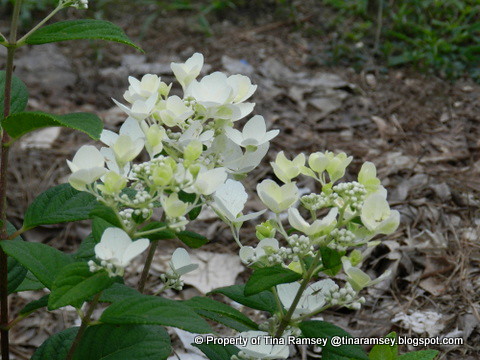
Good morning! Are you looking for diamonds? How about 'white diamonds' that grow in the garden? This little gem is one of my 'White Diamond' Hydrangea paniculata that grows in my new gardens and it is quite a gem indeed. Let me share some information about it so you too can have some splendid 'white diamonds'.
DSCN1332
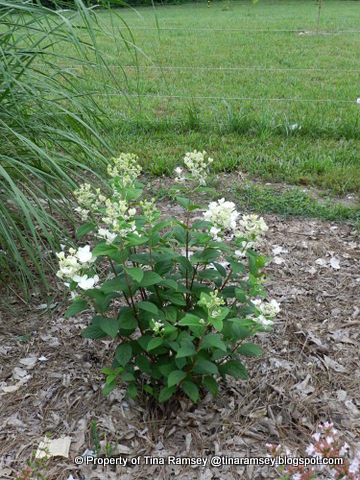
This hydrangea, like all paniculata hydrangeas, tolerates sun fairly well. In fact, my two are growing in full sun and have had no supplemental watering this summer. Unlike most paniculata hydrangeas though, this particular cultivar is a fairly compact hydrangea that has beefy leaves and strong stems. It is reported to grow to only about 4-8' tall and wide versus 10-12' tall and wide for most paniculata hydrangeas. This works well if you like paniculata hydrangeas because this particular hydrangea will not overwhelm a perennial or shrub border like most paniculatas tend to do.
DSCN1333
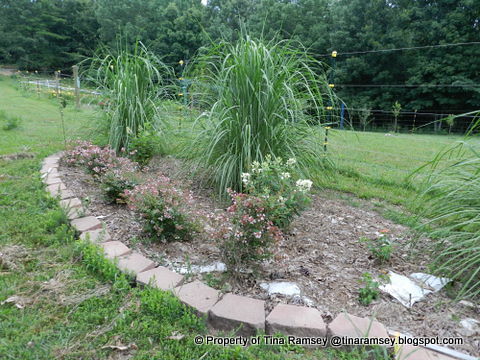
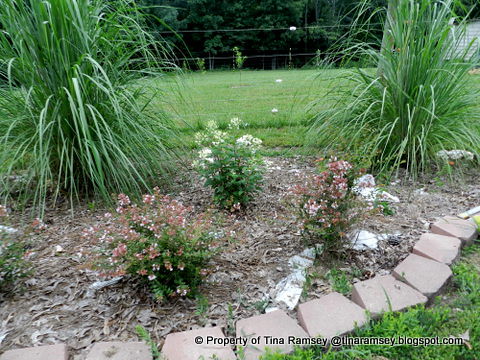
I planted my two 'White Diamond' hydrangeas in a shrub border along the driveway. They are a middle of the border plant behind 'Raspberry Profusion' abelia and right in front of some plume grass. So far the hydrangeas and abelias are working well but I am not so sure the grass will work since it is much too tall for this bed, but that is another post. This bed was all planted last fall (with the exception of the grasses which were moved last spring) when I moved all of these plants out to the new gardens. Everything has thrived in their new surroundings-with no supplemental watering.
DSCN1330
In fact, the hydrangeas-all of them not just the paniculata types--but also the macrophyllas, arborescens, and quercifolias--are all doing fantastically well. I will be preparing a post on several more paniculata cultivar hydrangeas so look for it soon. Cultivars to be profiled are: 'Vanilla Strawberry', 'Pinky Winky', 'Quickfire', 'Phantom', 'Limelight', 'Pink Diamond', 'Tardiva', and finally 'Great Star'. Can you tell I like hydrangeas? The paniculata hydrangeas are very easy to grow and reward the gardener with lots of blooms. The only problem they have is there are so many of them a gardener doesn't always know where to begin! To make things easy for me all of my paniculatas with the exception of 'White Diamond' are in one long bed. This will make comparisons of blooms and bloom times much easier. Most of the above cultivars are in bud now so once they all bloom I'll be back with those hydrangeas but don't forget this little gem 'White Diamond'.
DSCN1327
There is something else I also love this time of the year and it is daylilies! I have a lot of daylilies in the orchard area and I am so happy to see all the colors. It is a rainbow to my eyes and each day I am in awe of all the colors. Coming from a mostly shade garden the change in plants brought on by full sun is astounding! I have to say thank you to all of my friends and family who have ever given a daylily and there are many of you-they are all here....

shining in the garden....with 'White Diamonds'.....
Words and Photos Property of In the Garden Blog Team, In the Garden